Ground-Level Home Additions
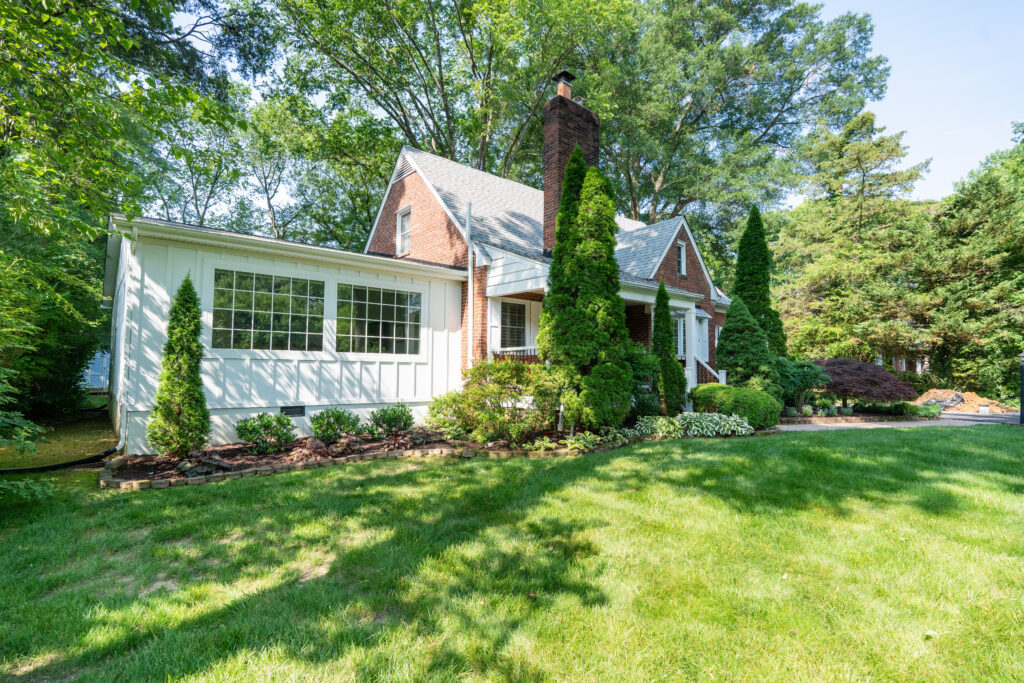
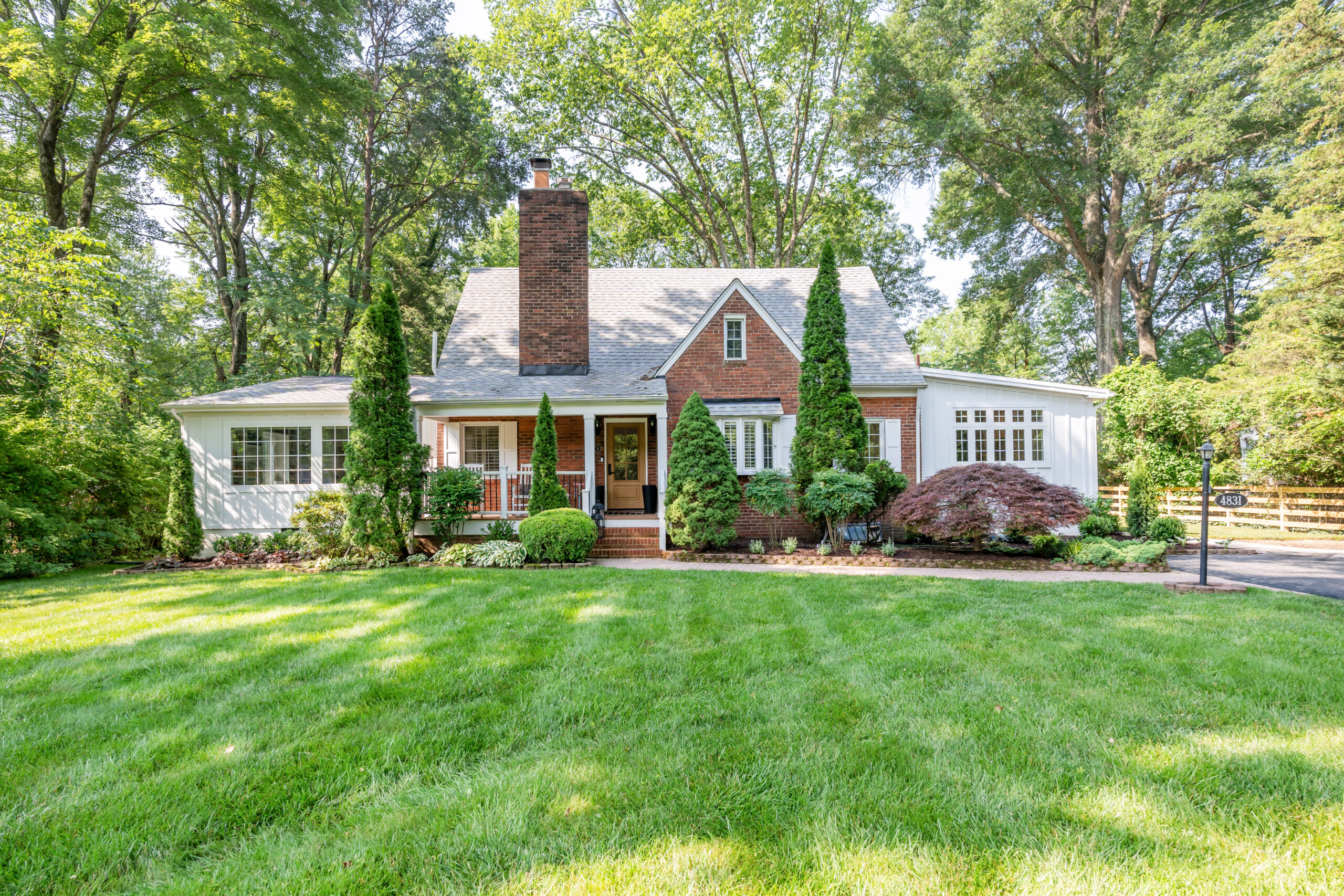
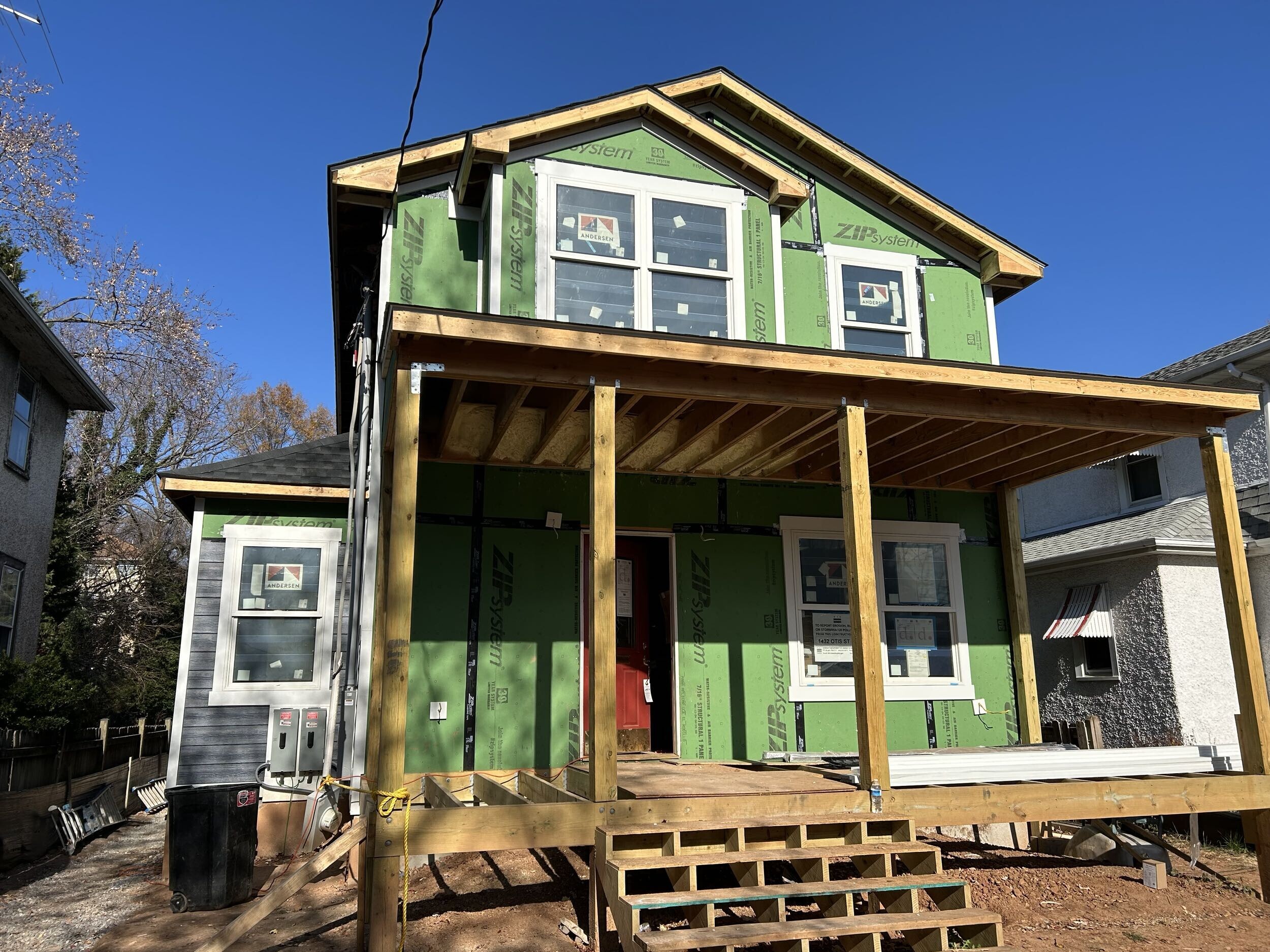
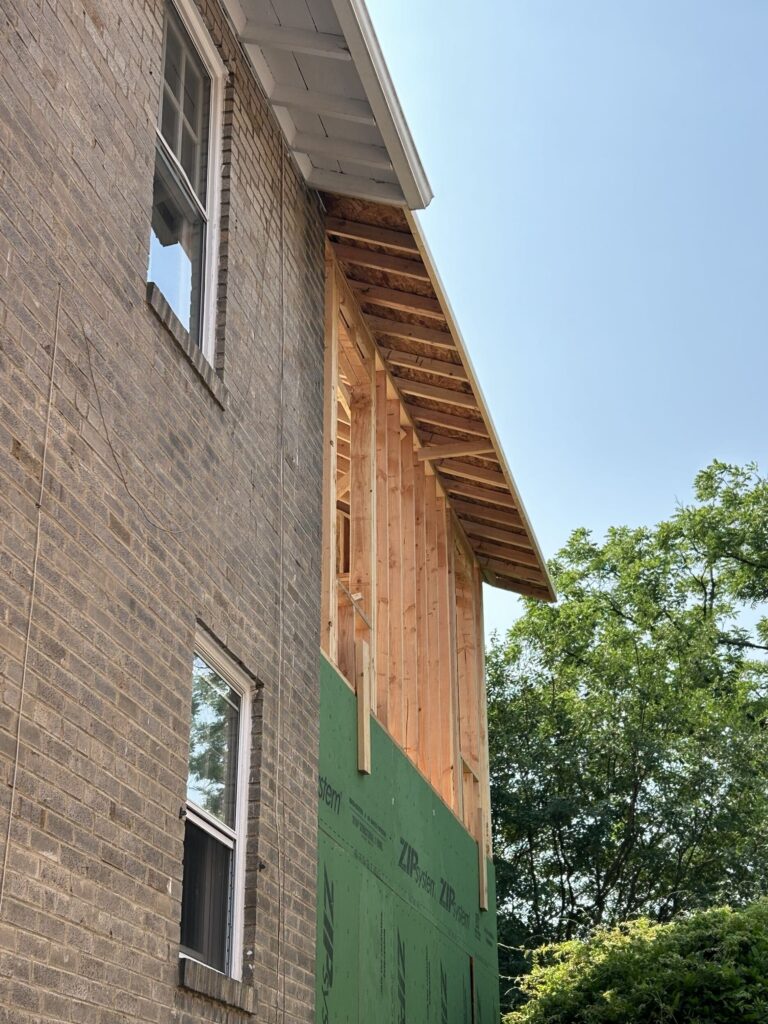
Ground-level additions expand the home horizontally, increasing the overall footprint of the structure. These are the most traditional type of addition and can be ideal when a property has ample space to build outward to the side or rear.
- Types:
- Conventional Full-Size Addition: A multi-room structure permanently open to the main house, often built to add a new family room, primary suite, or even an attached accessory dwelling unit (ADU). These require a new foundation, excavation, and full-scale construction.
- Room Addition or “Bump-Out”: A smaller-scale extension, often just adding a single room (like a bathroom or bedroom) or expanding an existing room (such as adding space to a kitchen). Bump-outs sometimes do not require a full foundation, which can make them less expensive and disruptive.
- Pros: Generally less complex structurally than vertical additions, allows for a flexible arrangement of new spaces, and integration with the existing home can be seamless. Clients are also generally able to stay in their homes during construction with minimal disruption.
- Cons: Consumes yard space and requires an adequate lot size, is subject to zoning setbacks (Learn more with a Zoning Analysis), and may require extensive excavation for the new foundation.
Pop-Top Additions (Top-Story Home Additions)
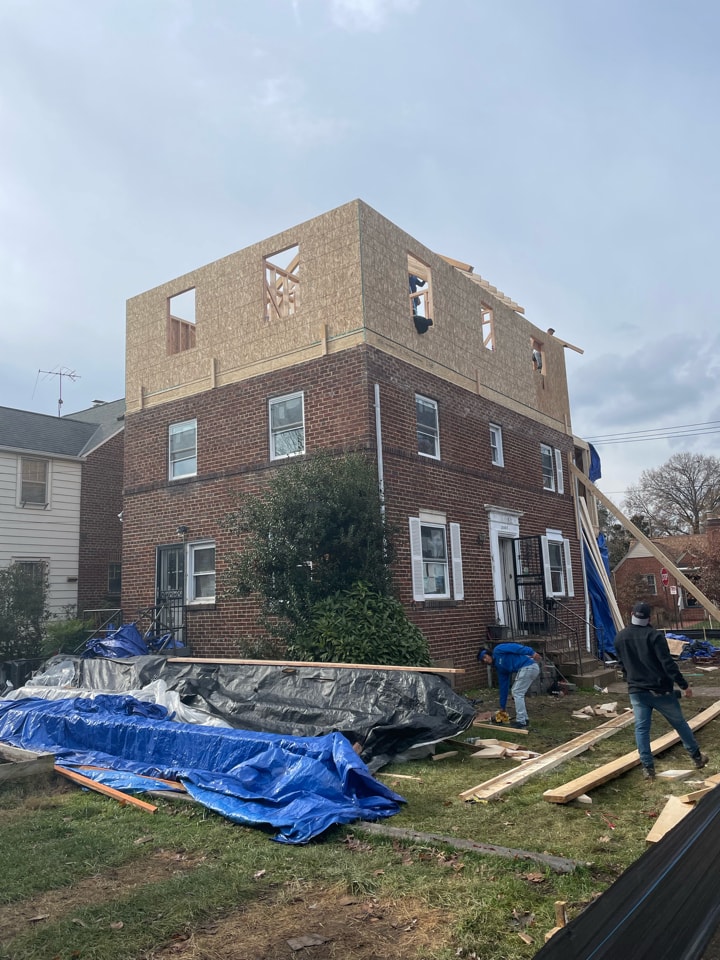
A pop-top addition is a vertical expansion where a new floor (or partial floor) is constructed on top of your existing home. This is an excellent option when a lot lacks the space to build outwards, allowing homeowners to gain significant and valuable square footage without sacrificing precious yard space.
- Process: The roof of the existing structure is removed, and a full or partial second story is built on top, often maximizing the vertical space within the home’s original footprint. This requires a structural assessment to ensure the existing foundation can support the additional weight.
- Pros: Maximizes lot use, high return on investment (especially for a full additional story), and can offer improved views.
- Cons: Can be more disruptive since it involves removing the roof, requires rigorous structural planning, and generally has a higher cost than a simple ground-level bump-out.
Multi-Level Home Additions
The term multi-level additions can broadly describe any addition that involves adding more than one floor of new space. Generally, the term refers to new construction built onto the side or rear of a mulit-story home, or a large new wing that contains multiple floors.
- Context: This is essentially a large-scale version of a conventional ground-level addition that also builds up to match the height of the existing house, or perhaps exceeds it to create a new focal point.
- Purpose: Used when a homeowner needs a substantial increase in square footage and wants to maintain architectural consistency across two or more stories. For instance, adding a new first-floor family room with a new primary suite directly above it.
- Considerations: These projects are significant and costly, involving extensive structural work, new foundations, and integrating all existing mechanical systems (plumbing, HVAC, electrical) across multiple new floors.
Basement Digouts (Lowering the Floor)
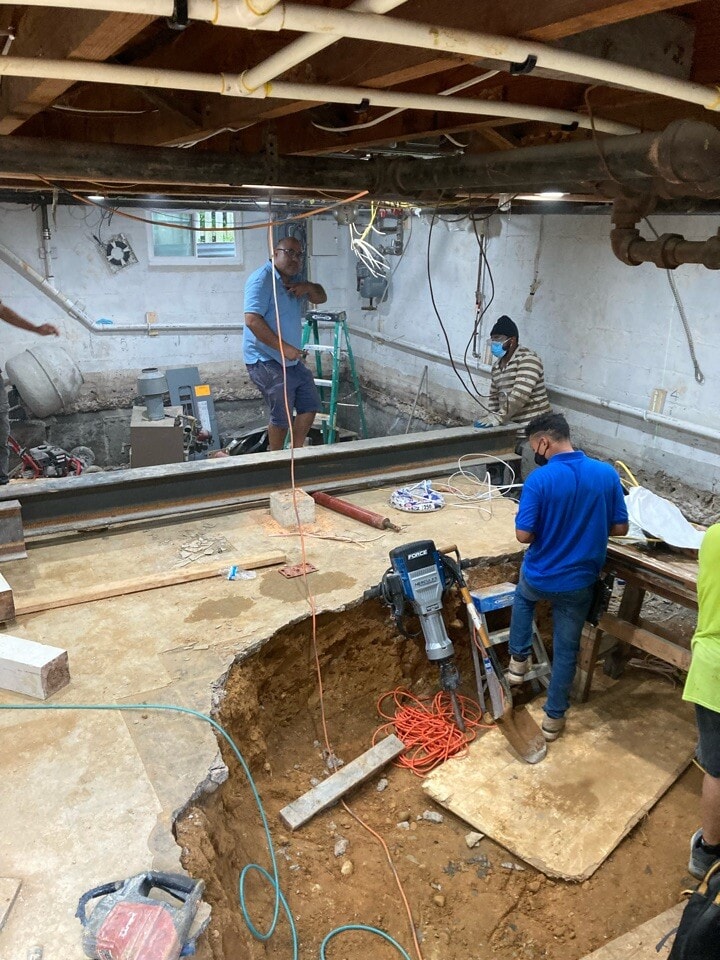
A basement digout involves excavating the soil and lowering the concrete slab floor of an existing basement or crawl space to increase the ceiling height, transforming a previously unusable or under-utilized space into full-height, livable square footage. This allows for expansion within the home’s existing footprint.
- Process: Soil beneath the existing foundation is excavated, and the foundation walls and footings are underpinned or reinforced to ensure structural stability. A new concrete slab, proper drainage, and waterproofing are then installed. Learn more about underpinning
- Pros: Increases finished square footage without sacrificing yard space, and can enhance the home’s long-term structural integrity and moisture control.
- Cons: Highly complex and potentially dangerous if not managed by professionals. Basement digouts are generally the most costly way to add finished square footage to your home. Additionally, below-grade finished square footage is usually less valuable for resale than above-grade space.
Ultimately, the best choice for your home addition depends on your lot size, budget, zoning regulations, and specific space needs. Through our comprehensive design process, our team will help you determine which options are available and provide the information you need to make an informed choice. Learn more about our overall process.